Home is where the garden is – Despacito Art School
Home is where the garden is was our programme cycle for 2024-26. This cycle invited artists and community members to collaborate in exploring the evolving and rhizomatic threads that connect our shared civic spaces, through a series of artistic commissions, collaborative projects, public workshops, and community initiatives.
As part of the programme cycle, Despacito Art School collaborated with local and international guest artists, architects, designers, gardeners, ecologists and cooks to explore the rhizomatic threads that connect us to each other and the world around us. Out of this work, thinking with soil (groundedness, rootedness) and water (fluidity, porosity) came forward as key ways of exploring our relationships to each other, to more-than-human beings and to the places we call home.
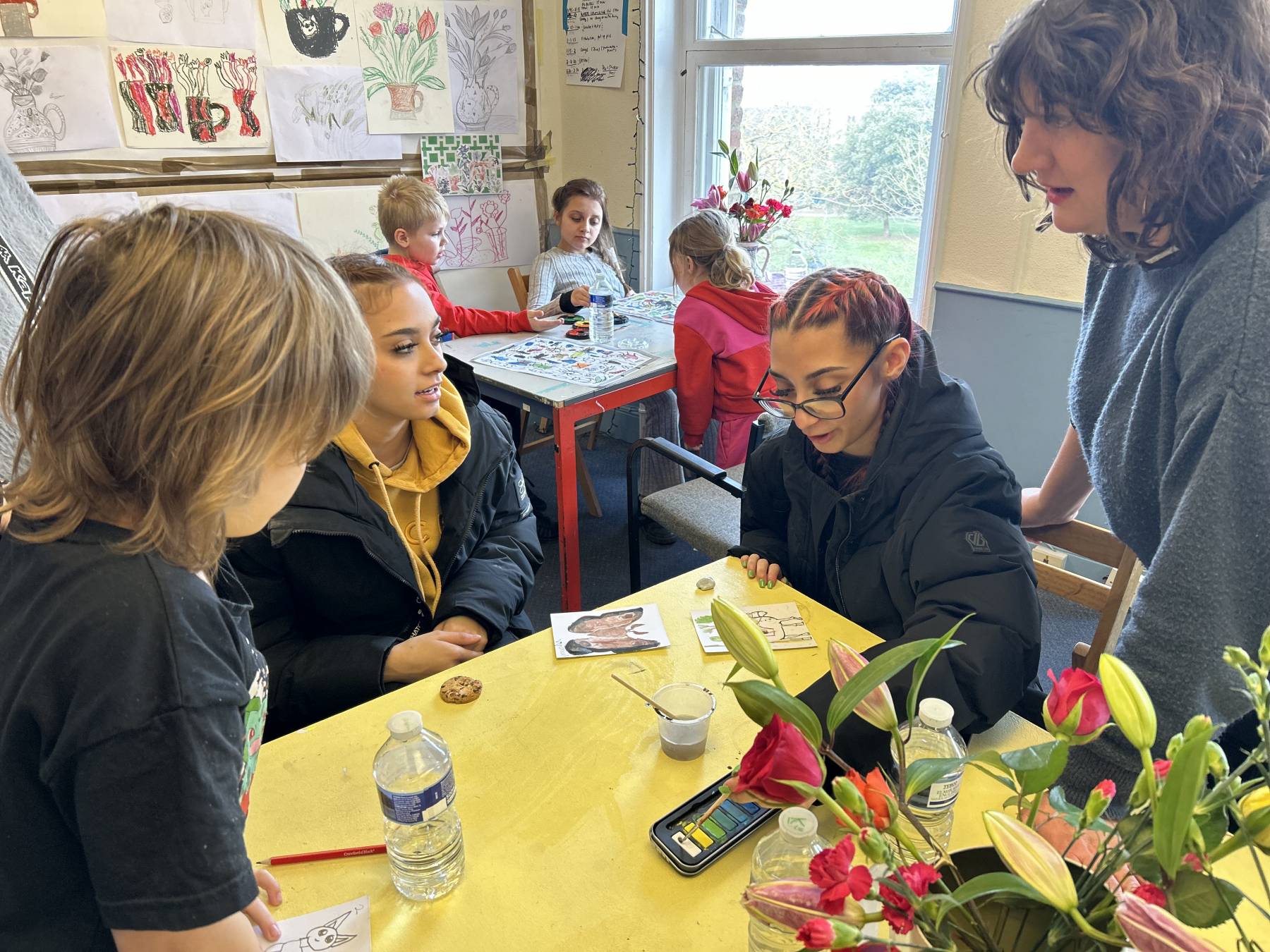
Photo: Open School East, 2025
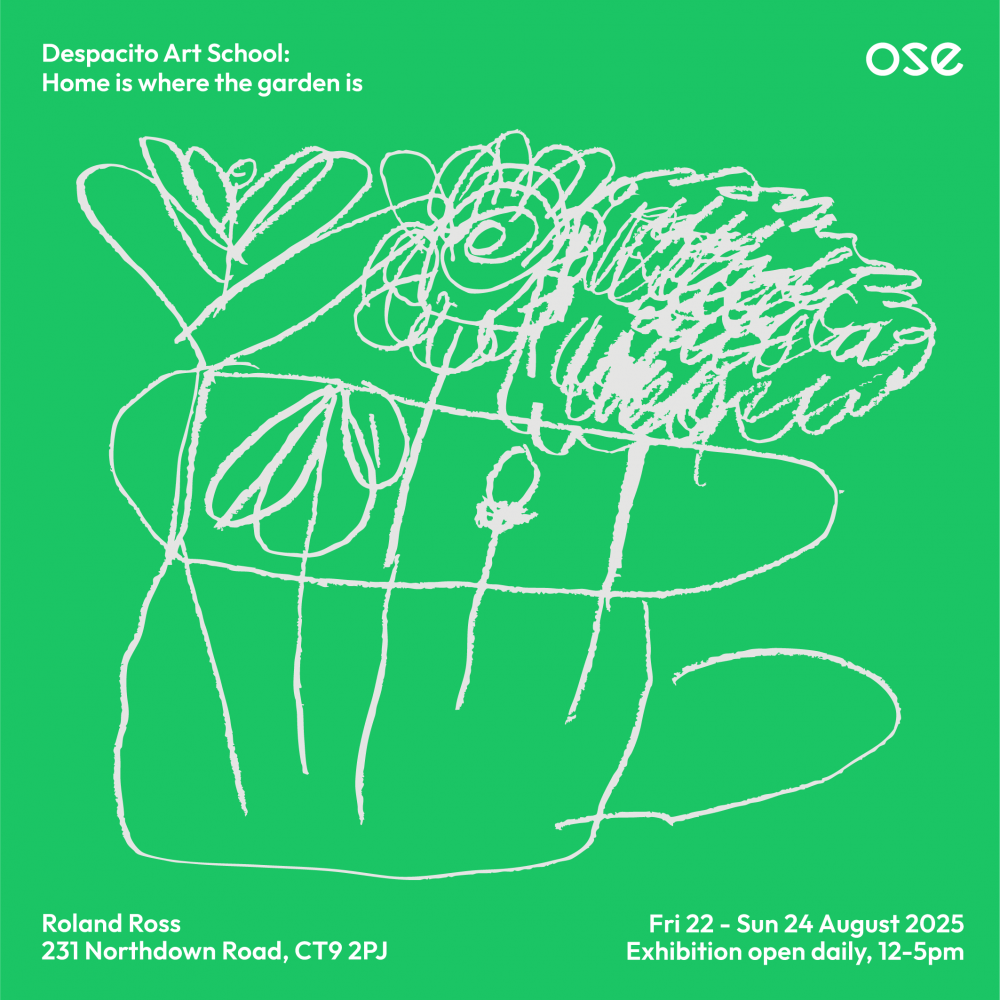
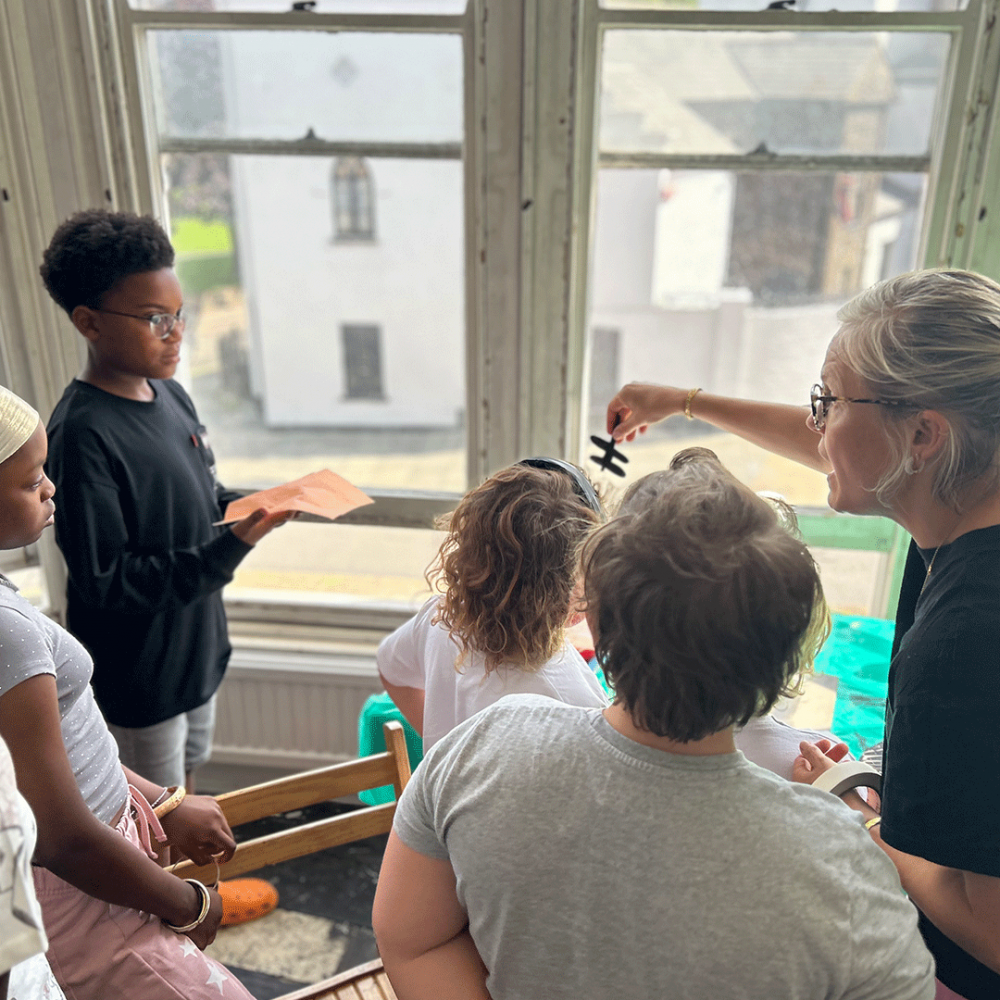
During Year 1, Despacito Art School led on the co-design and development of the project, including the creation of a new Home is where the garden is font and visual identity with OSE Artistic Director Polly Brannan and in-house graphic designer George Harding. Despacito Art School also worked with Polly and architect Jonathan Boyle from StateStudio to co-design a bespoke Mobile Unit to host pop-up poster-making, cooking and growing workshops at local Civic Partner venues. At the end of Year 1, we celebrated with an exhibition of artwork made by Despacito Art School with guest artists Samara Scott, Harold Offeh and Flora Parrott, kindly hosted by Roland Ross.
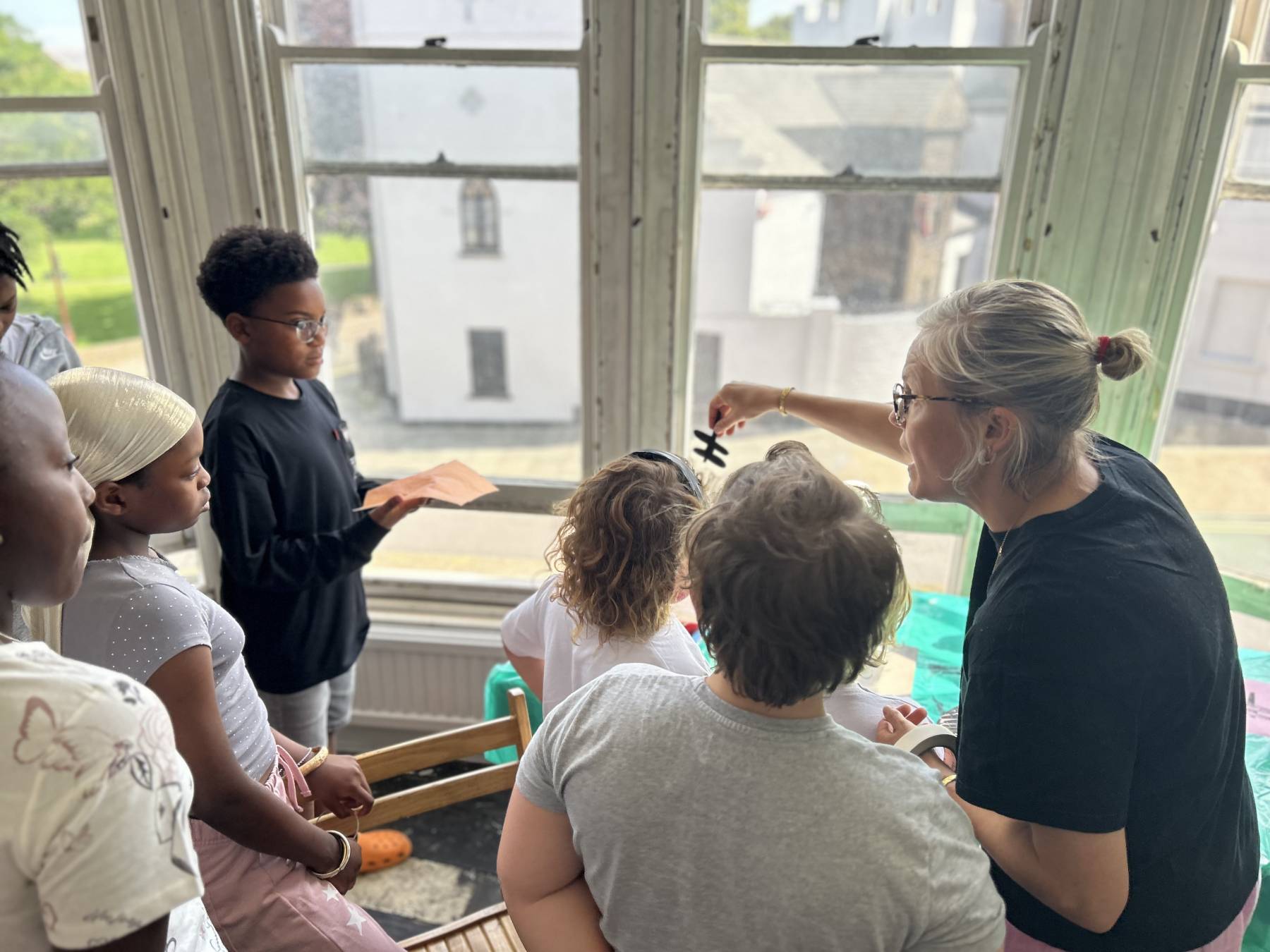
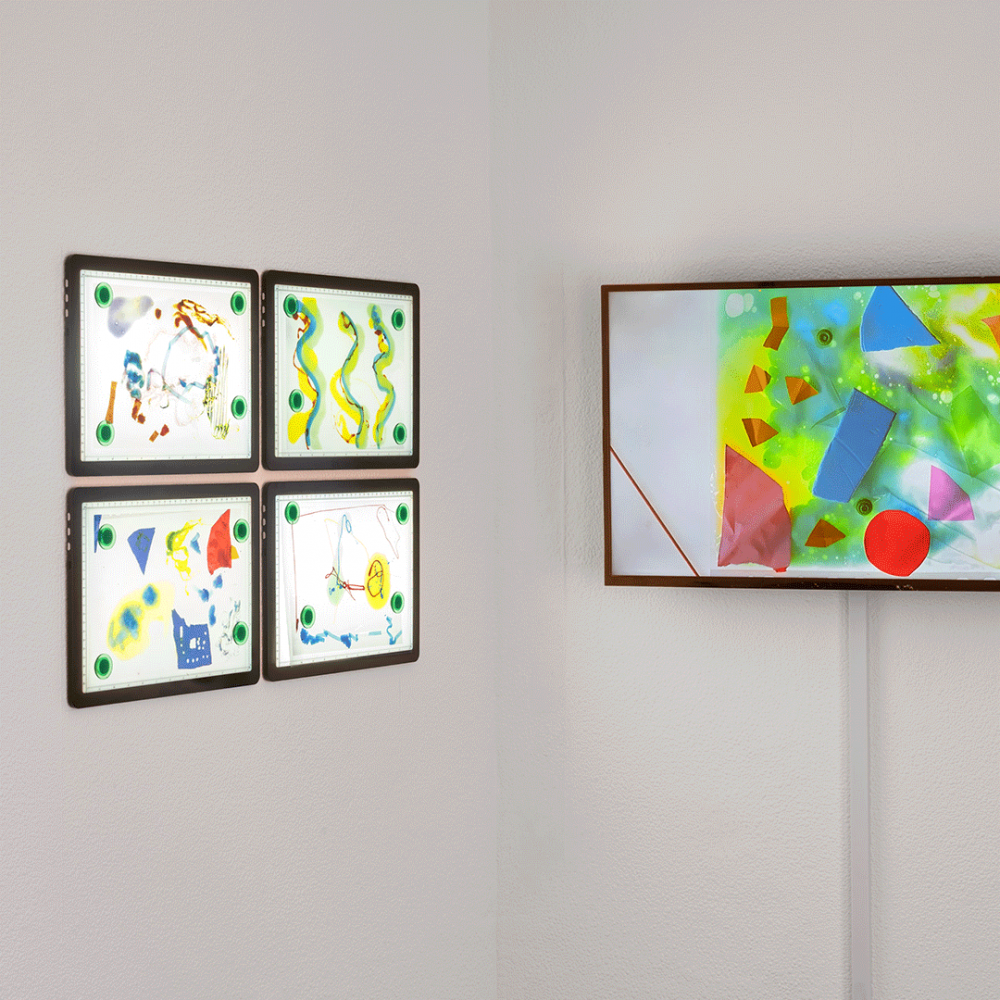
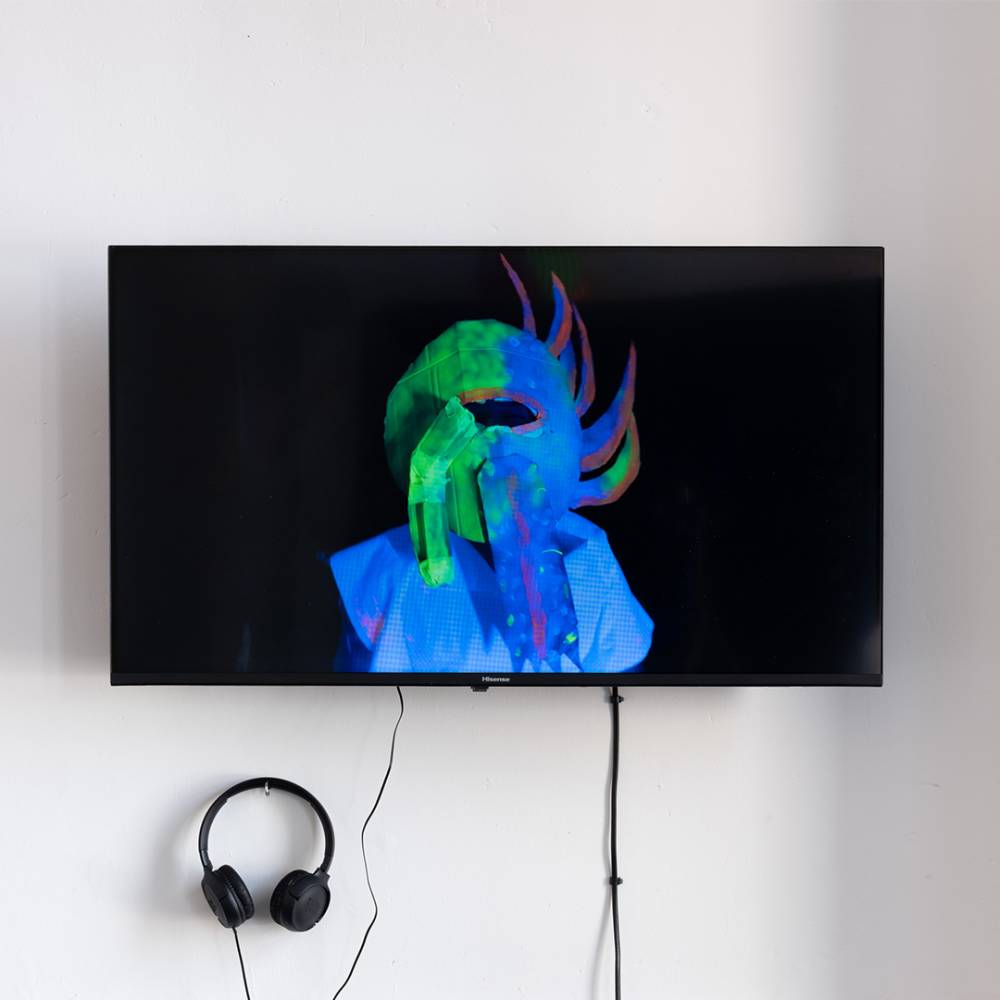
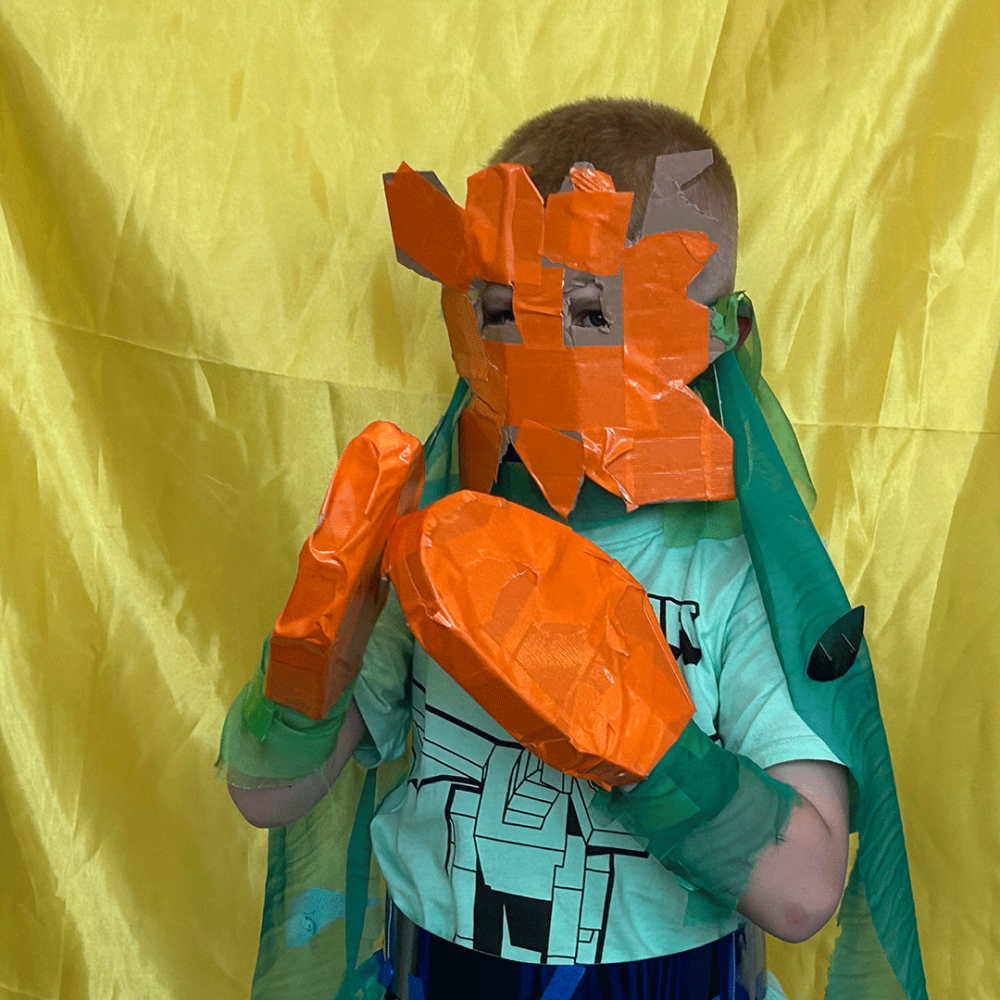
During Year 2, Despacito Art School continued to work as a collective with various guest artists, as well as collaborating with our Associate 2025-26 cohort on a series of intergenerational peer-to-peer projects with guest artists Samara Scott and Camilo Pachon; Outcomes from which were exhibited as part of OSE’s 2026 Summer Exhibition For Ways Below. The exhibition was curated by former Green Peace artist in residence Harun Morrison. With Samara Despacito Art School used found, scavenged objects from the Kent Coastline to create underwater worlds, puppets and animations, resulting in the works GHOSTS (2026) and Visages (2026). These works explored how art can be used to conceptualise climate change, with a focus on themes of porosity, spillages and borders. With Camilo Despacito Art School used local garden waste to create masks, costumes and characters stemming from his wider project Carnaval Digital, resulting in the creation of the video work Kindling the Inner Light (2026). This project explored carnival as an act of resistance to environmental and social injustice, and of the mask as a technology of transformation.
Guest artists and practitioners
Jonathan Boyle (StateStudio), Polly Brannan, Thom Eagle, George Harding, Aaron McKay, Harold Offeh, Camilo Pachón, Flora Parrott, Samara Scott, Sara Trillo
Despacito Art School Support Team
Detchema Baptiste: SEN support worker and Facilitator
Lily Dent: SEN support worker and Facilitator
Vlasta Hozova: Community Support Facilitator
Partners
Age UK Thanet
Ark: Cliftonville Cultural Space
Cliftonville Community Centre
Ethel-Athel Alleyway Garden
Roma Drom: Cliftonville Culture Centre
Roland Ross
Sunken Garden
We also worked with local family members connected to Despacito Art School in informal advisory roles.
Programme Archive
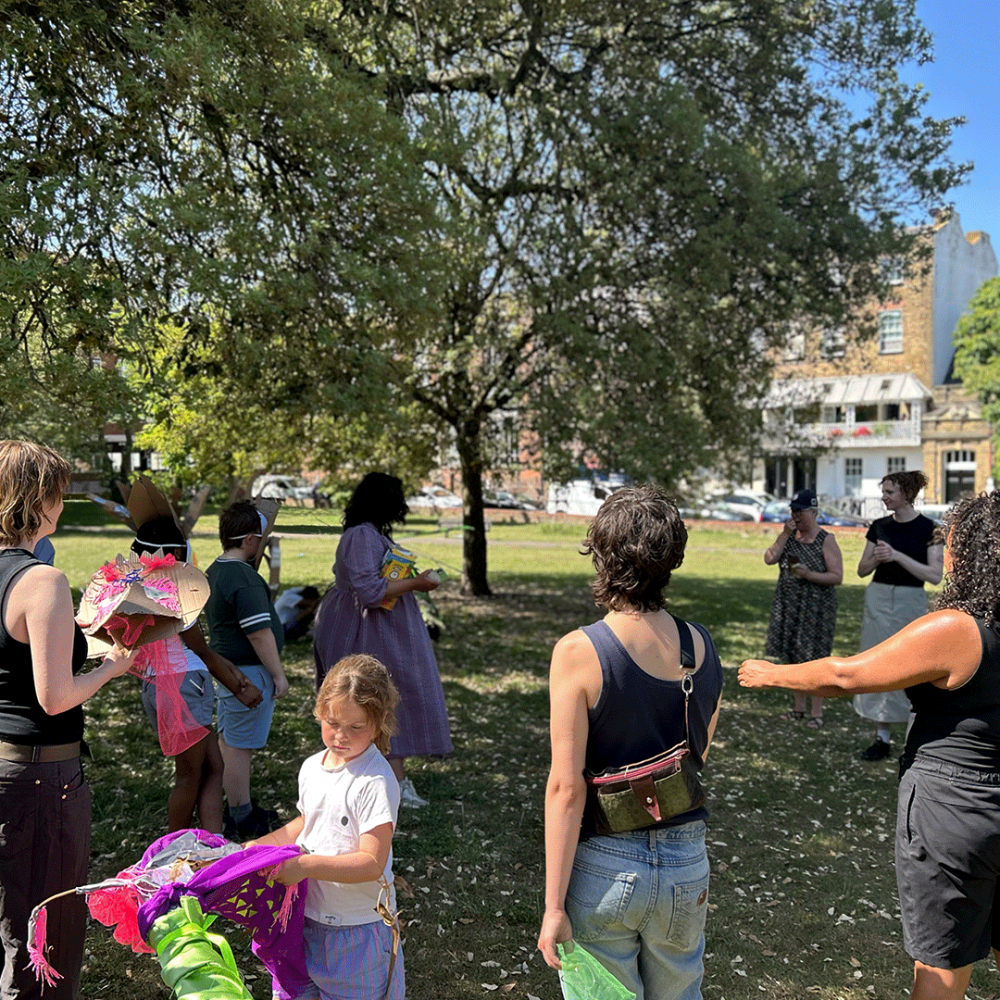
Technologies of Transformation
Despacito Art School with Camilo Pachón
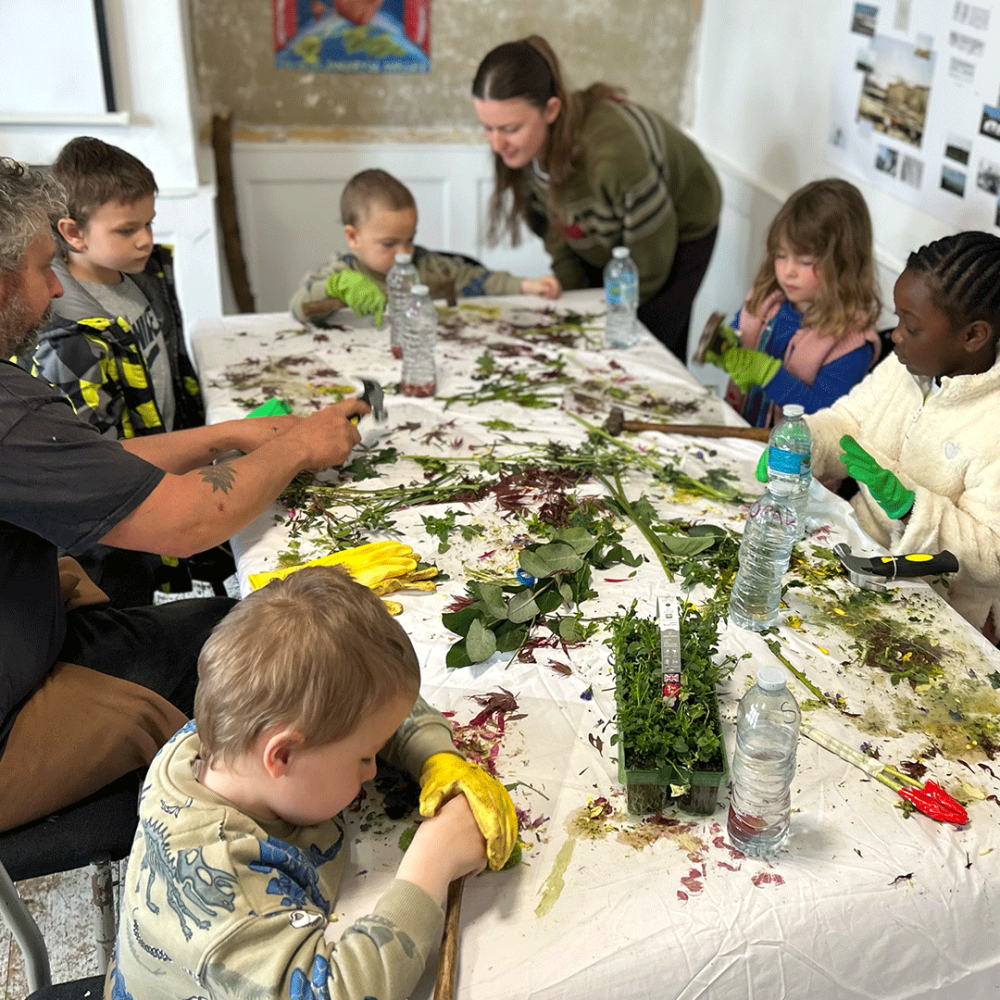
Art Materials from Nature
Despacito Art School with Aaron McKay and Thom Eagle
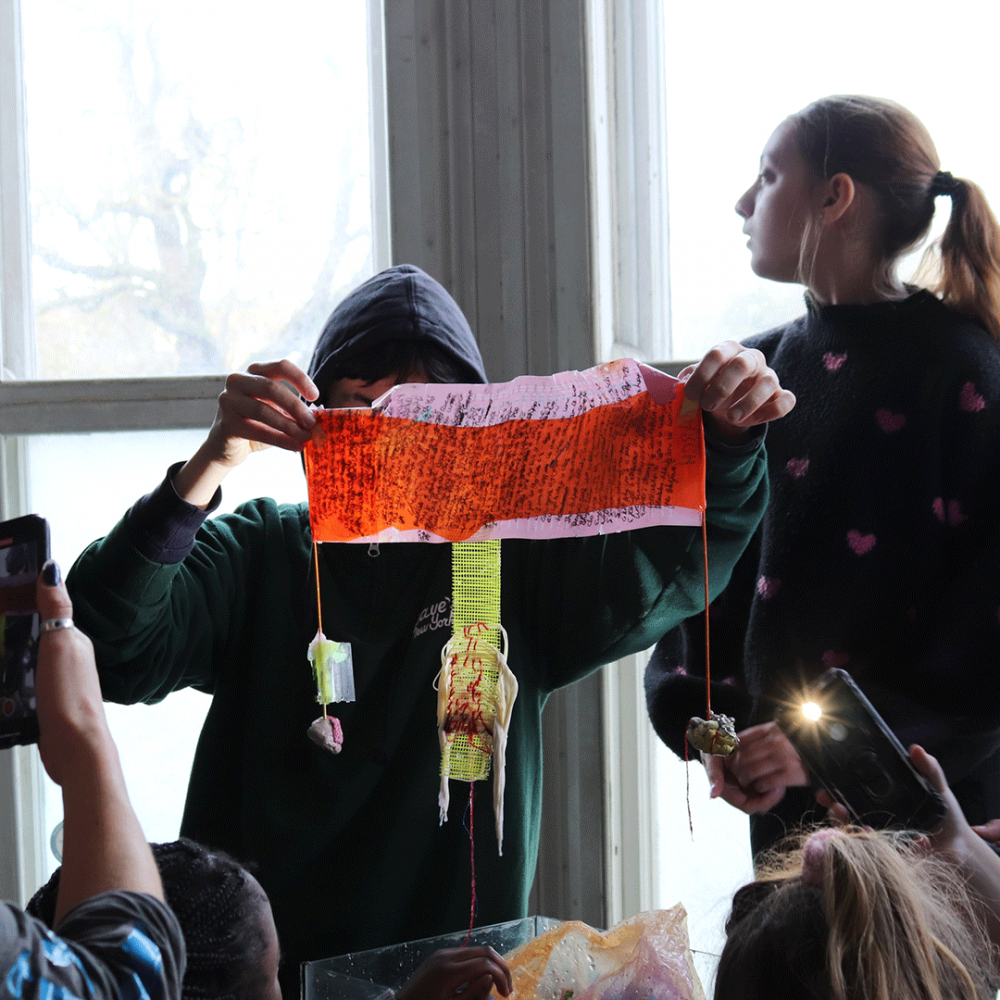
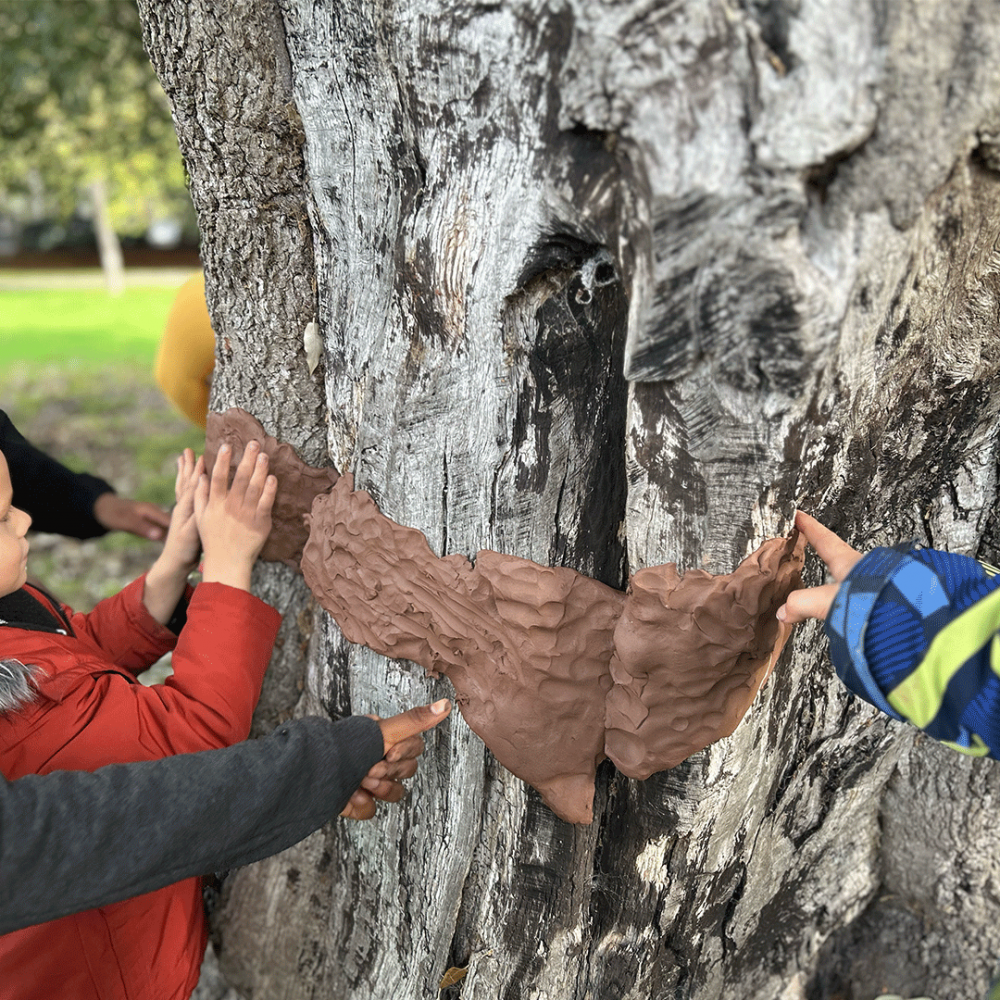
Sculptures in Organic Materials
Despacito Art School with Sara Trillo
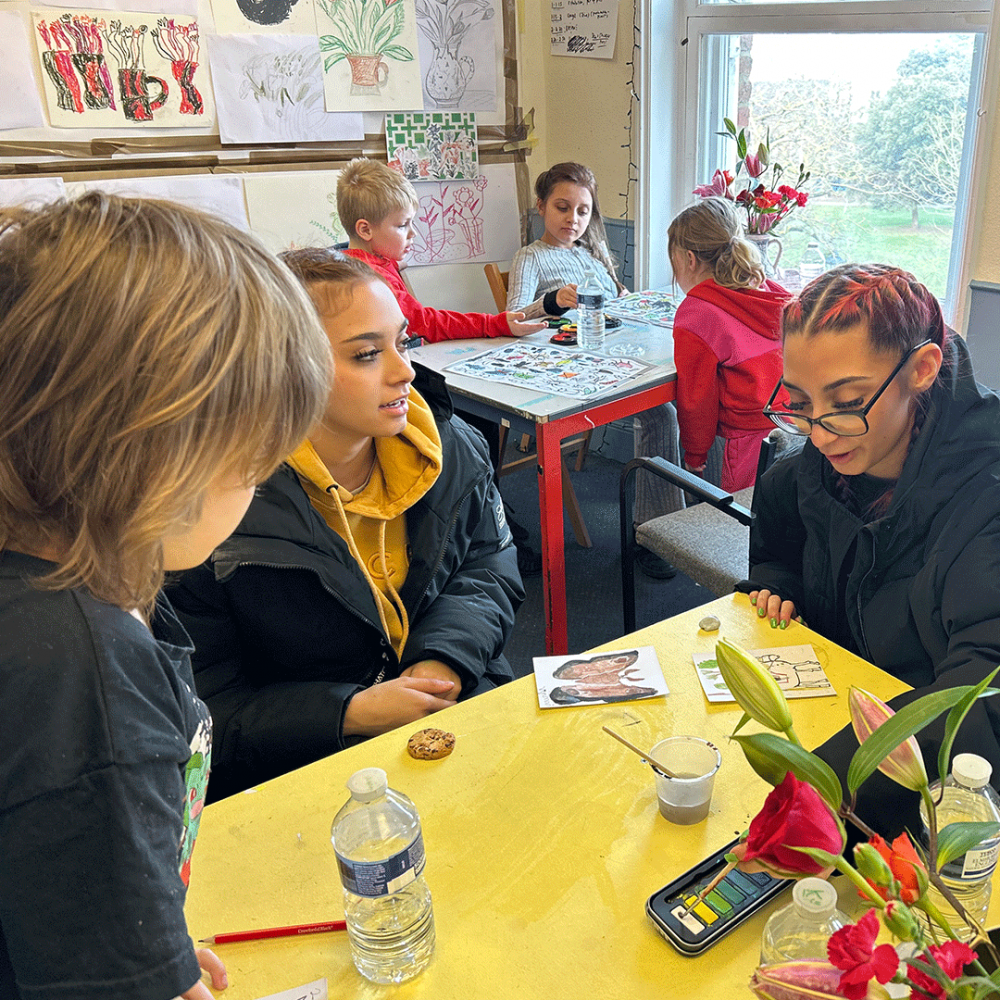
Co-designing Home is where the garden is
Despacito Art School with Aaron McKay and Polly Brannan
